Professional Exterior cladding Services to Elevate Your Home's Curb Appeal
Increasing a home's visual appeal often starts with its exterior finish. Expert professional services play an critical role in this process. Quality materials and professional workmanship can transform a property's facade. Homeowners should be mindful of warning signs indicating that an upgrade is necessary. Recognizing these elements can substantially impact both aesthetics and market value. What factors should one assess when exploring siding options? The response might surprise you.
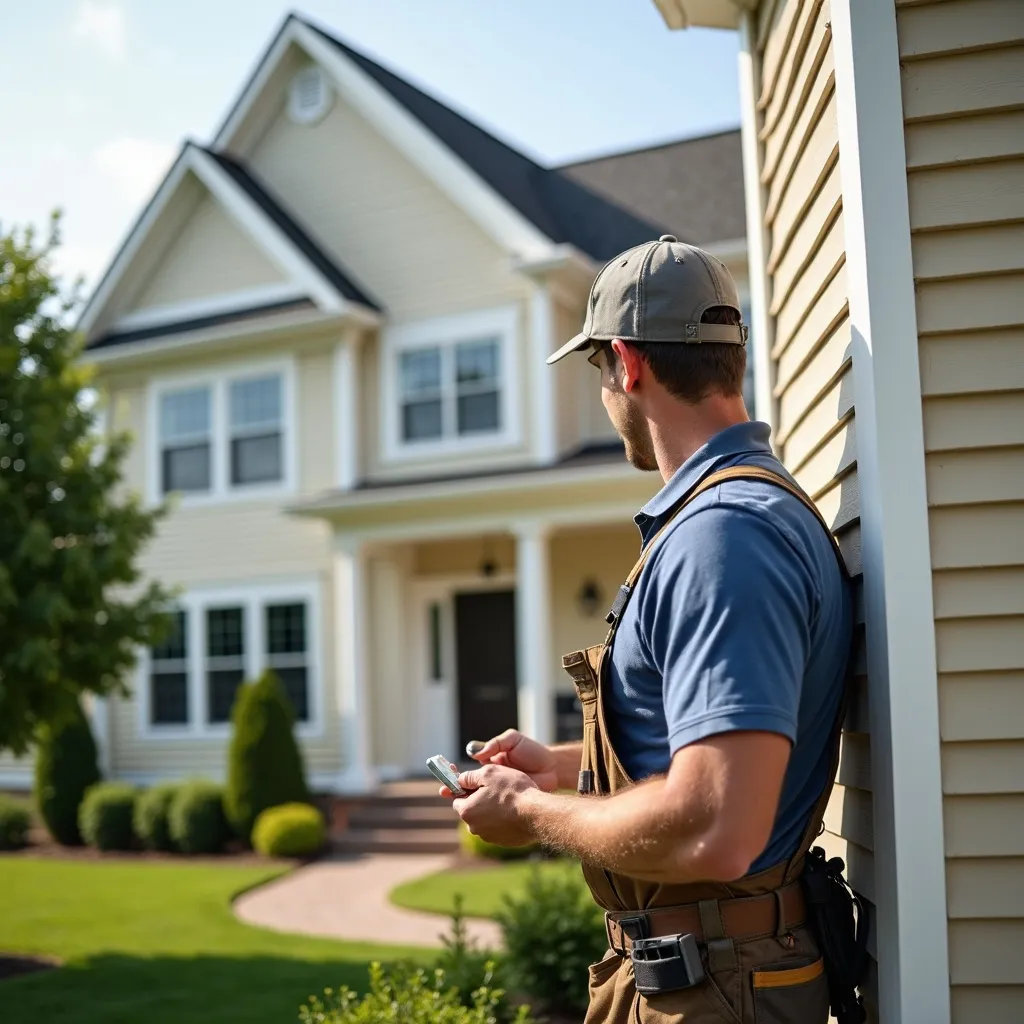
Does Your Home's Siding Need an Update?
What signs do property owners need to identify when deciding whether their siding requires an replacement? Homeowners must perform a thorough evaluation of their siding's condition. Signs of deterioration include discoloration, paint peeling, and noticeable cracks or holes. Furthermore, the presence of mold or mildew can indicate moisture issues that might compromise the siding's structural soundness. Homeowners should also check for bending or warping, which can affect insulation and energy efficiency.
A key element is the age of the siding. Most materials have a lifespan, and if the siding is surpassing or approaching that limit, an upgrade may be necessary. Moreover, homeowners should consider the overall aesthetic appeal; outdated or damaged siding can diminish a home's curb appeal. Speaking to experts can offer useful guidance into whether repair or replacement is the best course of action, guaranteeing that the home stays attractive and properly maintained.
The Benefits of Skilled Siding Installation
Making an investment in professional siding installation gives homeowners multiple benefits that go beyond mere aesthetics. One important advantage is the assurance of excellent workmanship. Professional installers have the necessary skills and experience to make sure that siding is applied correctly, decreasing the chances of high-priced mistakes. Furthermore, they typically use high-quality materials that improve durability and longevity, which can allow homeowners to save money in the long term.
Furthermore, expert setup often comes with warranties, offering confidence against potential defects. This can be particularly valuable in maintaining the home's value over time. Another benefit is the ability to access a range of options and finishes, enabling homeowners to pick choices that best fit their preferences and regional weather. Ultimately, the knowledge of specialists not only enhances the home's appearance but also adds to its structural soundness.
The Reasons Siding Increases Energy Efficiency and Protects Your Home
Siding improves a home's aesthetic appeal and plays a significant role in boosting energy efficiency and protecting the structure. Quality siding materials offer a barrier against severe weather conditions, decreasing the risk of moisture infiltration that can result in mold and structural damage. Insulated siding options further contribute to energy efficiency by minimizing heat loss during winter months and keeping homes cooler in summer. This insulation lowers the workload on heating and cooling systems, leading to lower energy bills. Furthermore, well-installed siding can prevent drafts, ensuring a comfortable indoor environment year-round. Additionally, modern siding materials are designed to resist fading, warping, and cracking, which defends the home's exterior from deterioration. By purchasing quality siding, homeowners not only enhance their property's curb appeal but also secure long-term energy savings and structural integrity, making it a wise choice for any homeowner seeking to protect their investment.
Determining the Superior Siding Selection for Your Home
When assessing siding material for a home, homeowners must review various considerations such as popular options, durability, maintenance requirements, and aesthetic appeal. Each material delivers unique benefits and drawbacks that can shape both the home's appearance and long-term performance. Grasping these elements is important for making an informed decision that boosts exterior attractiveness and secures sustained investment.
Well-Known Exterior Cladding Selections Provided
Selecting the right exterior cladding can greatly improve a home's aesthetic and protect it from the elements. Homeowners often evaluate several common exterior choices, each offering unique benefits. Vinyl siding is known for its affordability and minimal upkeep, making it a preferred option. Wood siding, while more traditional, provides a warm, natural look but requires regular upkeep. Fiber cement siding combines durability with the look of timber, appealing to those looking for lasting quality with aesthetic appeal. Finally, brick and stone veneer offer timeless elegance and exceptional durability, although they come at a higher cost. By evaluating these choices, homeowners can choose the siding that best fits their aesthetic preferences, financial constraints, and practical requirements.
Durability And Service Factors
Choosing the proper siding option copyrights on its durability and maintenance requirements. Homeowners must think about how different materials endure various climate factors, insects, and conceivable deterioration. Vinyl siding is celebrated for its resilience and low maintenance, needing just infrequent washing. By contrast, wood siding gives a classic look but calls for regular painting or staining to prevent rot and insect infestations. Fiber cement siding blends strength with low maintenance, resisting fire and rot while needing reduced maintenance schedules. Metal siding, though very sturdy, may be prone to dents and scratches. In the end, evaluating the lifespan and upkeep demands of each material is vital for homeowners seeking to enhance their home's curb appeal while ensuring lasting performance.
Visual Charm Assessment
When evaluating siding options, homeowners must think about how visual attractiveness affects the overall appearance of their property. The choice of siding material greatly impacts the appearance of a home, contributing to its appeal and market value. Materials such as wood, vinyl, and fiber cement each provide unique textures and colors that can complement various architectural styles. For instance, natural wood siding exudes warmth and character, while vinyl offers a more modern, low-maintenance look. Additionally, homeowners should think about how the siding color harmonizes with other elements, such as roofing and landscaping. Ultimately, choosing the right siding material is essential for improving exterior aesthetics and ensuring the home reflects the owner's personal taste and style.
Best Color Movements to Strengthen Your Home's Exterior
When selecting colors for home exteriors, current trends highlight the appeal of bold, dark tones combined with subtle, muted tones. These selections not only enhance curb appeal but also create a harmonious balance. Additionally, adding bright accent colors can add a touch of character and style to any exterior.
Bold, Deep Shades
Bold, deep colors have become a striking choice for property owners looking to elevate their property's exterior. These rich tones, including navy blue, charcoal gray, and forest green, provide a dramatic and sophisticated look that distinguishes itself in any neighborhood. They evoke a sense of sophistication and contemporary style, making homes seem more welcoming and refined. Additionally, dark hues can create a stunning contrast against landscaping, enhancing the overall aesthetic appeal. Many homeowners are selecting these shades not only for their striking appearance but also for their ability to hide imperfections and wear over time. As a result, bold, dark colors are becoming increasingly popular in siding choices, aligning with contemporary design trends that prefer strong, confident statements.
Soft, Restrained Tones
accentuate design elements, pulling focus without overwhelming the senses. Additionally, these tones tend to have lasting appeal, ensuring that homes preserve their charm
Bold Accent Colors
While muted colors offer a tranquil background, vibrant accent colors can transform a residence's facade into a remarkable aesthetic declaration. Property owners are progressively selecting for bright colors such as deep blues, bright reds, and bright yellows to draw attention and display individuality. These hues can be used to main doors, shutters, or even whole portions of siding, creating dynamic contrasts against more understated colors. Additionally, the suitable accent shades can accentuate structural details, increasing their visibility. Current styles also suggest combining bright tones with organic elements, striking a balance between modern aesthetics and timeless character. At the end of the day, the decision of accent colors not only boosts curb appeal but also reveals the personality and style of the homeowner, rendering the property especially appealing.
Guide to Siding Installation Procedure
During siding installation, homeowners can anticipate a organized procedure that renovates the outside of their property. Initially, a thorough evaluation of the existing siding is conducted, identifying any necessary fixes or preparations. Following this, the installation team will ready the work area, guaranteeing security and productivity. This may include removing old siding and inspecting the underlying structure for deterioration.
Once preparations are complete, the installation of the new siding starts, generally starting from the bottom and working upwards. Proper positioning and securing remain crucial for a durable outcome. Homeowners should also expect regular communication from the installation crew, keeping them informed about progress and any unexpected issues.
Once the siding installation is finished, a cleanup of the work area is see now performed to ensure the property looks spotless. Homeowners can rely on a considerable upgrade to their home's street presence, emphasizing the new siding's beauty and style.
Important Maintenance Guidelines for Enduring Siding
Maintaining siding effectively extends its lifespan and improves the home's aesthetic. Regular examinations are crucial; homeowners should look for evidence of deterioration, such as fractures, bending, or flaking paint. Washing siding at least two times annually with a mild soap and water helps eliminate dirt and mold, preventing decay.
For vinyl siding, a simple hose rinse can work, while wood siding may need more intensive scrubbing. It is also important to ensure gutters are free of debris to prevent water damage from accumulating. Additionally, caulking gaps and fixing any loose panels quickly can safeguard against water penetration.
Regular periodic checks for pest infestations, especially in wood siding, can further safeguard integrity. Finally, applying a protective sealant as suggested can improve longevity and withstand weathering, ensuring the exterior stays attractive and useful for years. By following these critical upkeep guidelines, property owners can maintain their exterior's condition and boost overall curb appeal.
Popular Inquiries Asked Regularly
What Is the Duration of New Siding Usually?
New siding typically endures between 20 to 40 years, depending on the material used. Vinyl siding, wooden, and fiber cement each have varying durations, affected by weather conditions, upkeep, and quality of installation, impacting general longevity.
Is It Possible to Install Siding Over Present Materials?
Yes, siding can often be applied to existing materials, provided they are in good condition. This strategy can save time and money, but it's vital to verify proper insulation and ventilation to prevent moisture issues.
What Protection Coverage Exist for Siding Products?
Diverse protections are accessible for siding products, including manufacturer warranties guarding against defects, limited lifetime warranties, and labor warranties. Homeowners should inspect specifics, as coverage can vary based on manufacturers and installation conditions.
How Does Your Home's Siding Determine Its Resale Value?
The contribution of siding toward a home's market price cannot be overstated, as it strengthens attractiveness and efficiency performance. Superior materials along with expert installation work succeed in drawing prospective homebuyers, regularly producing better bids and a faster sale within intensely competitive real estate markets.
Do sustainable exterior alternatives available?
Yes, there are eco-friendly exterior cladding choices accessible. Materials such as reclaimed wood, fiber cement, and vinyl made from recycled content supply sustainable choices, enhancing both environmental responsibility and visual attractiveness for homeowners desiring greener alternatives.